-
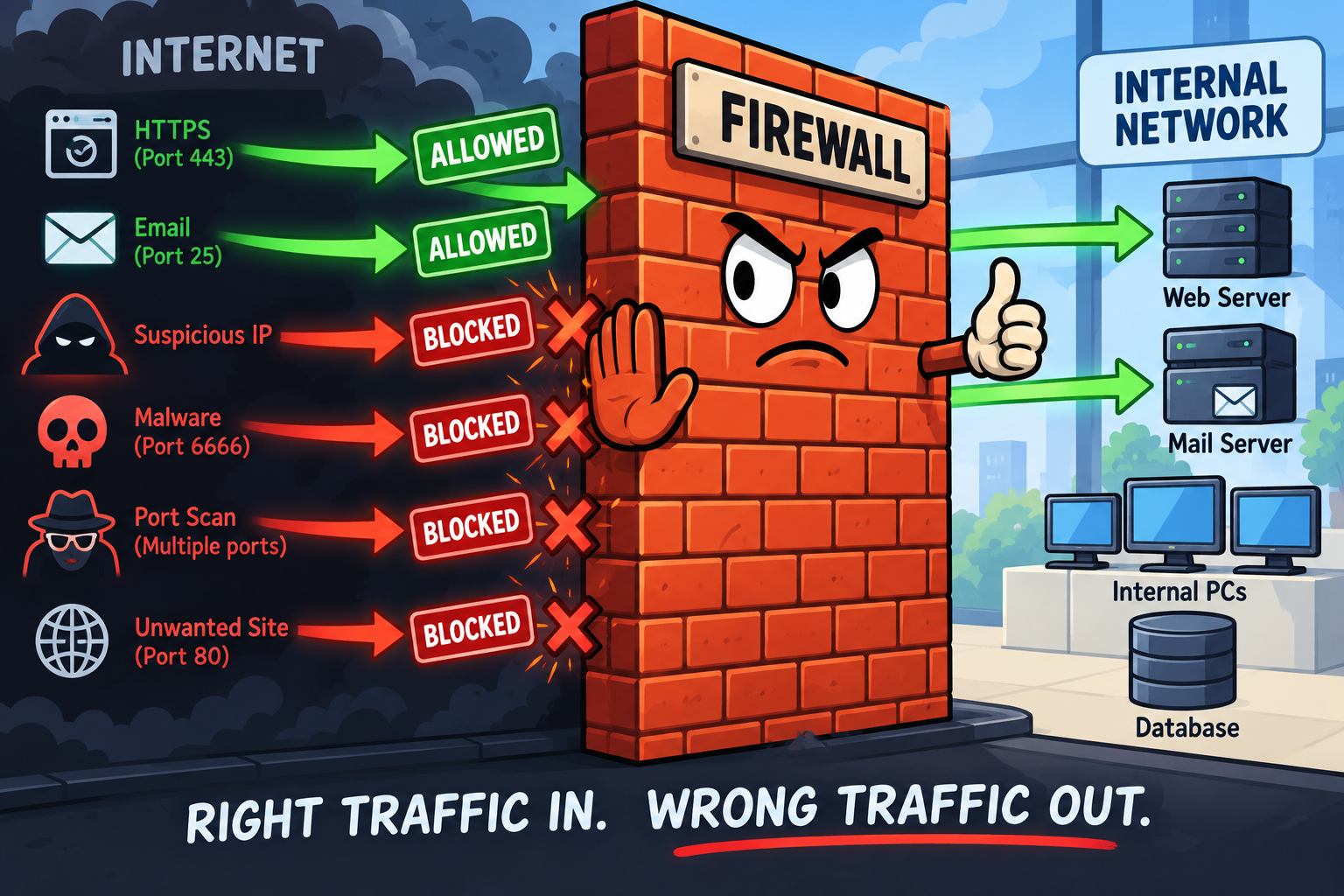 Firewalls
Preventative control
Firewalls are often the first line of defence in a network. But what does a firewall actually do?
-
 Access Controls
Preventative control
Access Controls are used to decide who, or what is allowed to access your building, systems, applications, data, and more.
-
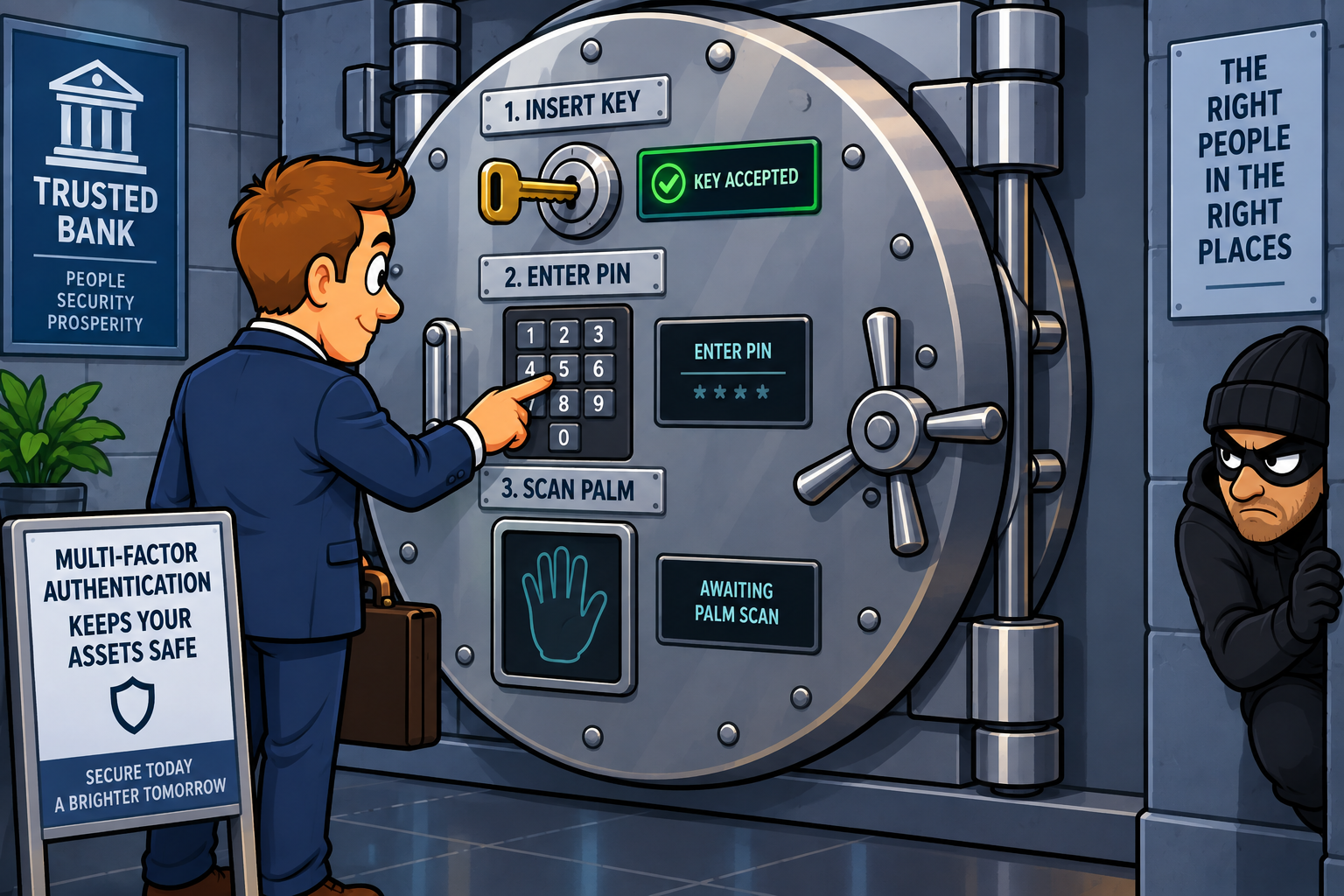 MFA
MFAPreventative control
Passwords only provide one form of security – if they are compromised, it’s game over. MFA requires more than just a password
-
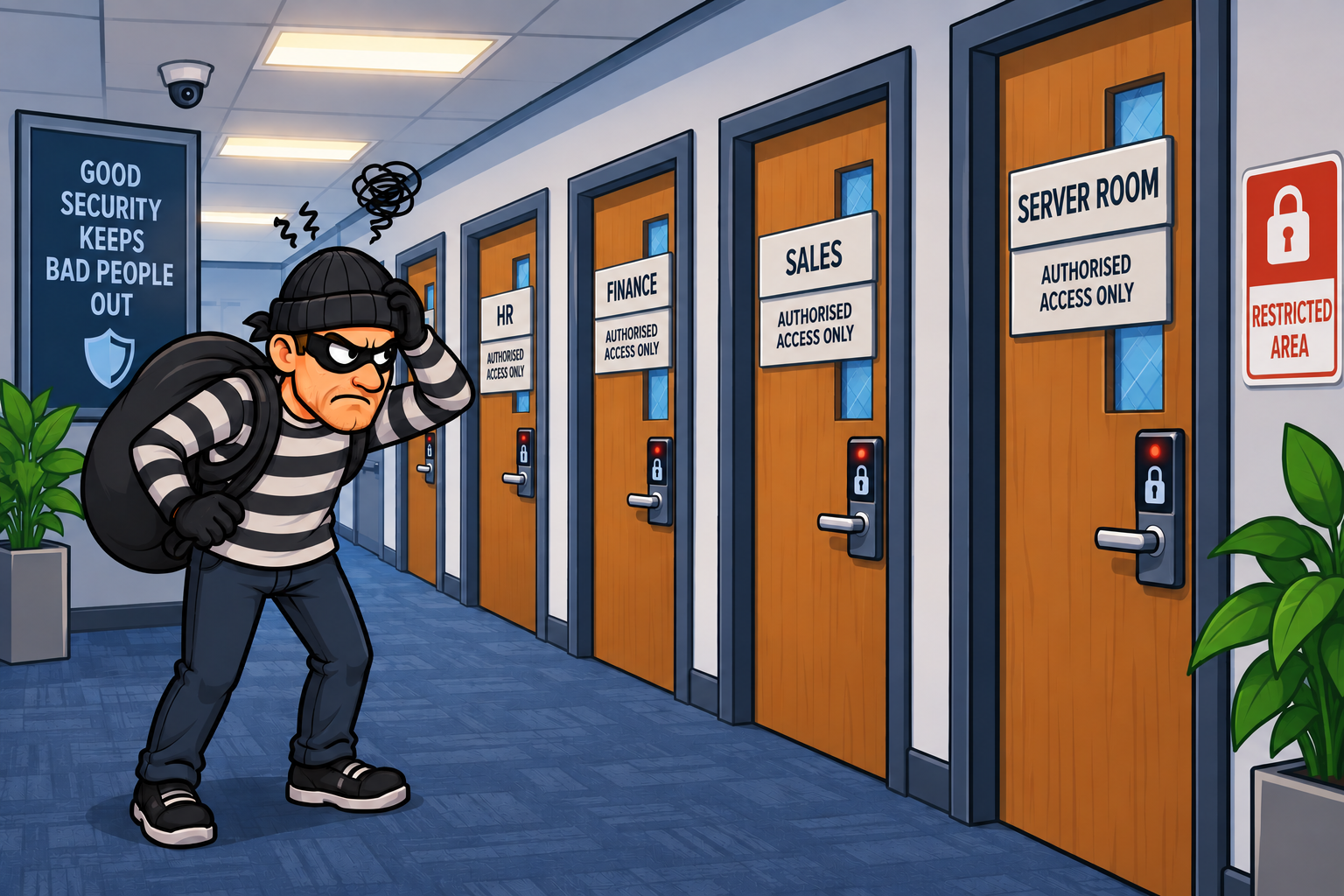 Network Segmentation
Preventative control
Don’t allow attackers to roam freely inside your network. Isolate key parts with network segmentation.
-
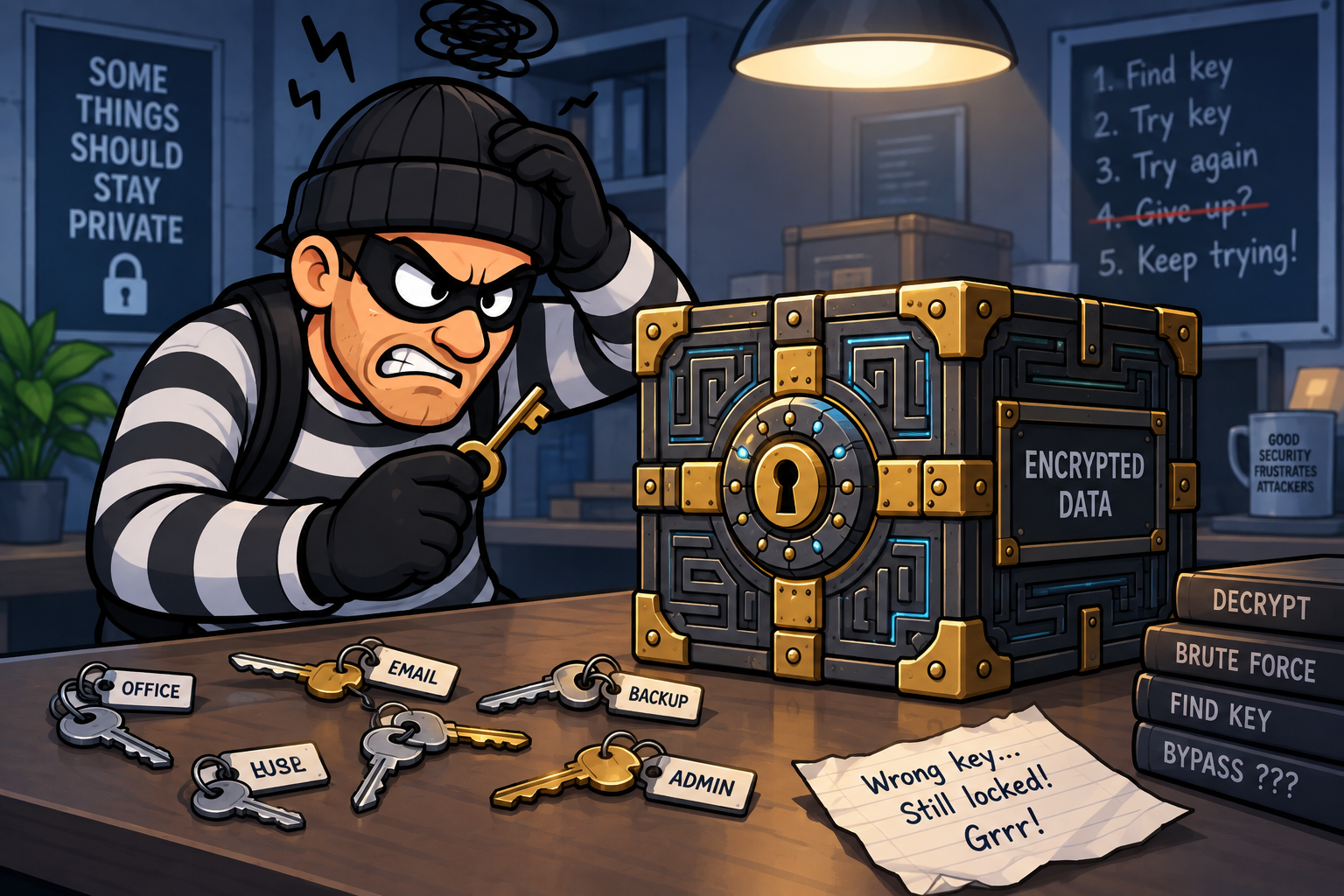 Encryption
Preventative control
Encryption protects data by converting it into a form that only those with the right key can unlock it.
-
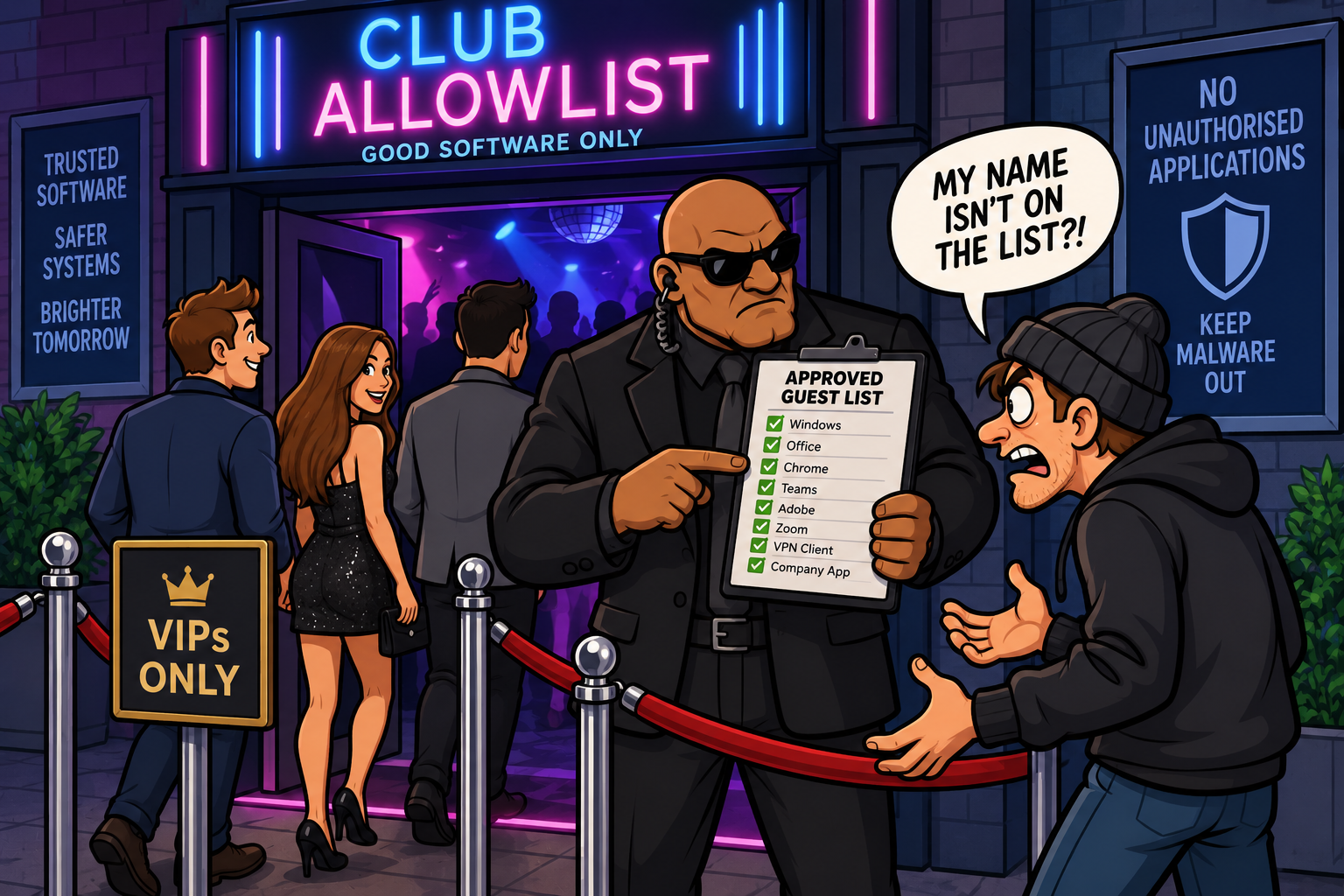 Application Allowlisting
Preventative control
Application Allowlisting ensures that only approved, trusted code is allowed to execute.
-
 Hardening
Preventative control
Hardening is the process of reducing the attack surface of a system to make is more difficult for an attacker to gain entry or control.
-
 Patch management
Preventative control
Patch management is the process of ensuring all your systems are protected as best they can be from all threat types.
-
 Input Validation
Preventative control
Input Validation prevents damage to a system by ensuring that the data received is valid, trusted, and safe.
-
 Password policies
Preventative control
Password policies are designed to help organisations manage the access credentials lifecycle.
-
 Logging & Auditing
Detective control
Logging & Auditing provides an organisation the ability to gather data about the who, what, where, and when of events in their network.
-
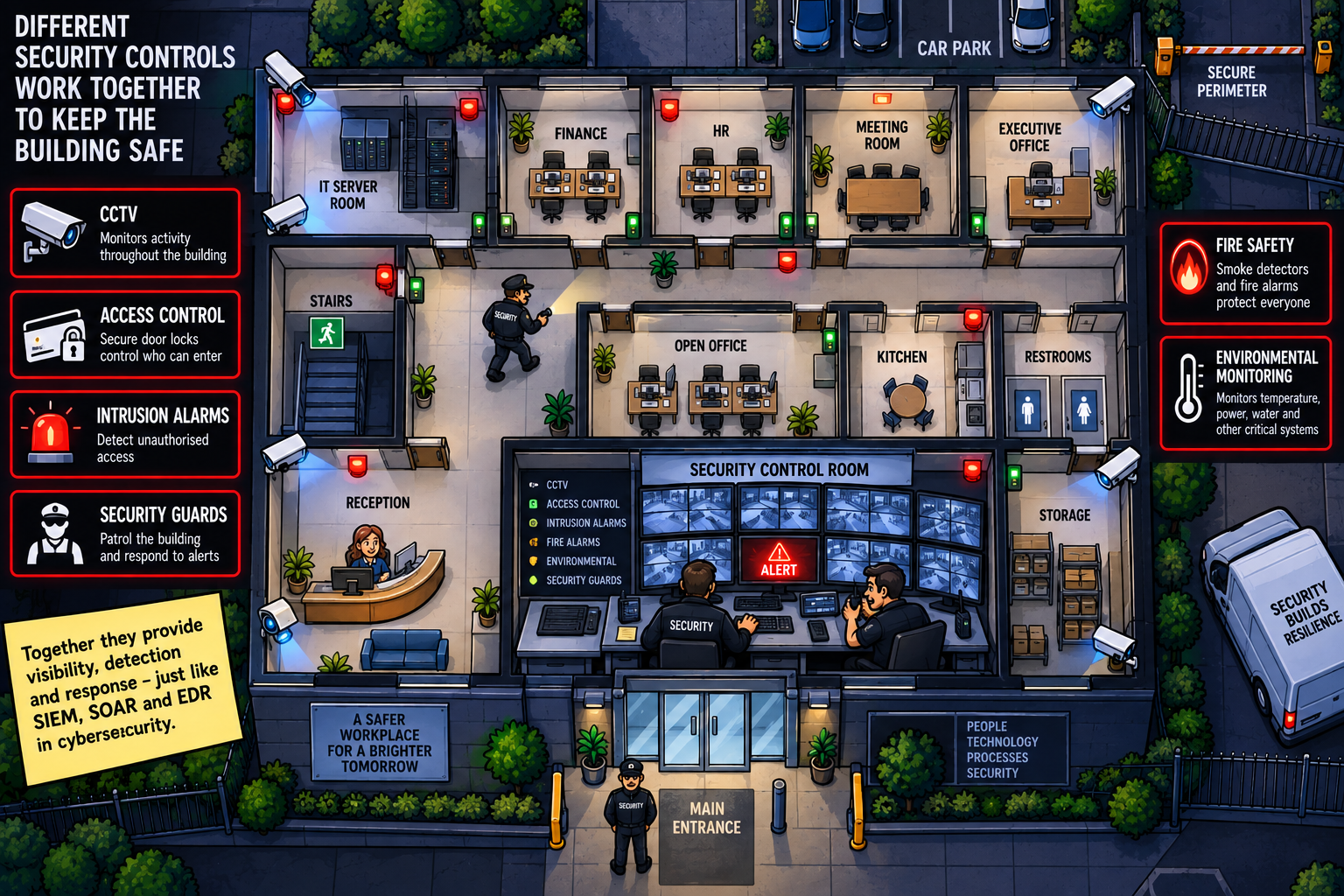 SIEM, SOAR & EDR
Detective control
SIEM, SOAR & EDR are the eyes, ears and response within a corporate network. They gather and analyse activity data and make decisions on how to respond.
-
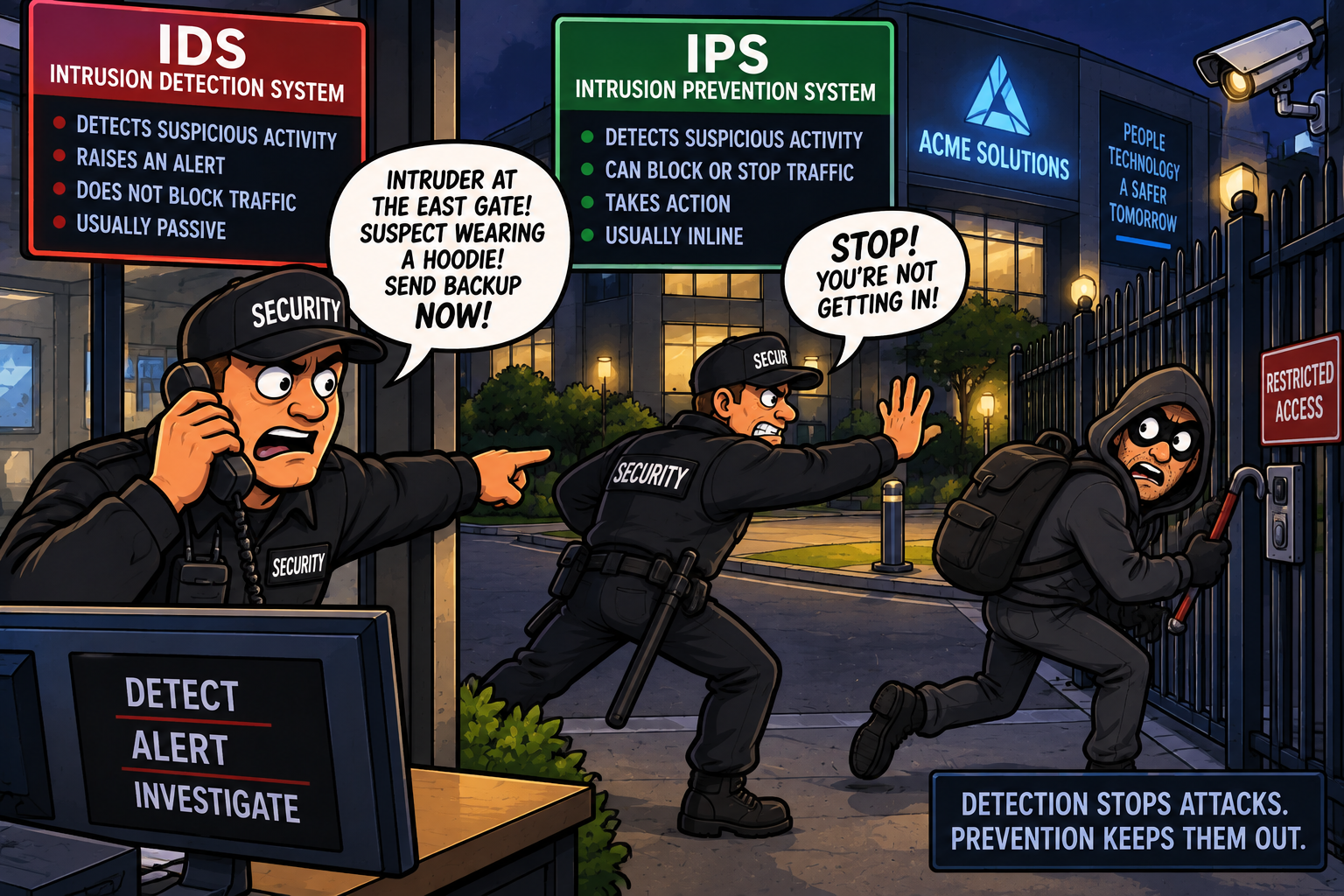 IDS/IPS
Detective control
IDS/IPS -Intrusion Detections Systems & Intrusion Prevention Systems help organisations indenify and stop unauthorised, or malicious activity.
-
 EUBA
EUBADetective control
EUBA – Entity and User Behaviour Analytics helps organisations determine if unusual activity is happening in their network
-
 Honeypots & Honeynets
Detective control
Honeypots & Honeynets are designed to attract attackers in order to allow security analysts the ability to see what the attacker is doing.
-
 Incident Response
Corrective control
Incident response is the organised process used to identify, investigate, contain, eradicate and recover from security incidents. Security controls try to prevent incidents. Incident response deals with them when they happen.
-
 Malware removal
Corrective control
Malware removal is not simply a case of deleting the bad file – it is a carefully managed process of identification, isolation, evidence gathering, recovery, and ensuring it doesn’t happen again.
-
 Account recovery
Corrective control
Account recovery is a managed process that allows legitimate users the ability to regain entry to their systems, but keeps attacker out.
-
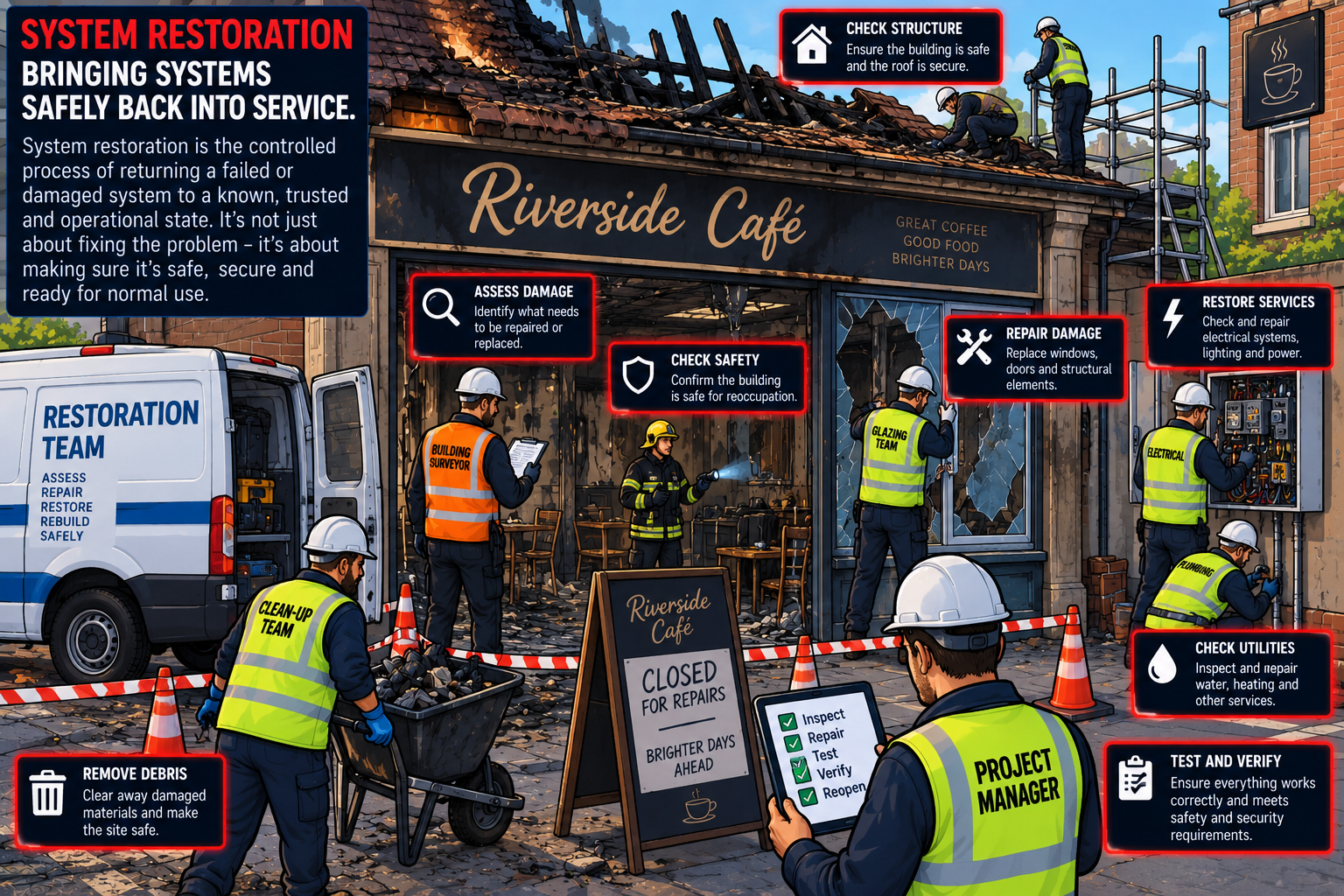 System restoration
Corrective control
System restoration is the controlled process of returning a system to a known, trusted, and operational state – It’s not just about fixing a problem.
-
 Policies
Deterrent control
Policies define what is expected, protect our systems, and keep the organisation secure. They also deter people from performing unauthorised activities.
-
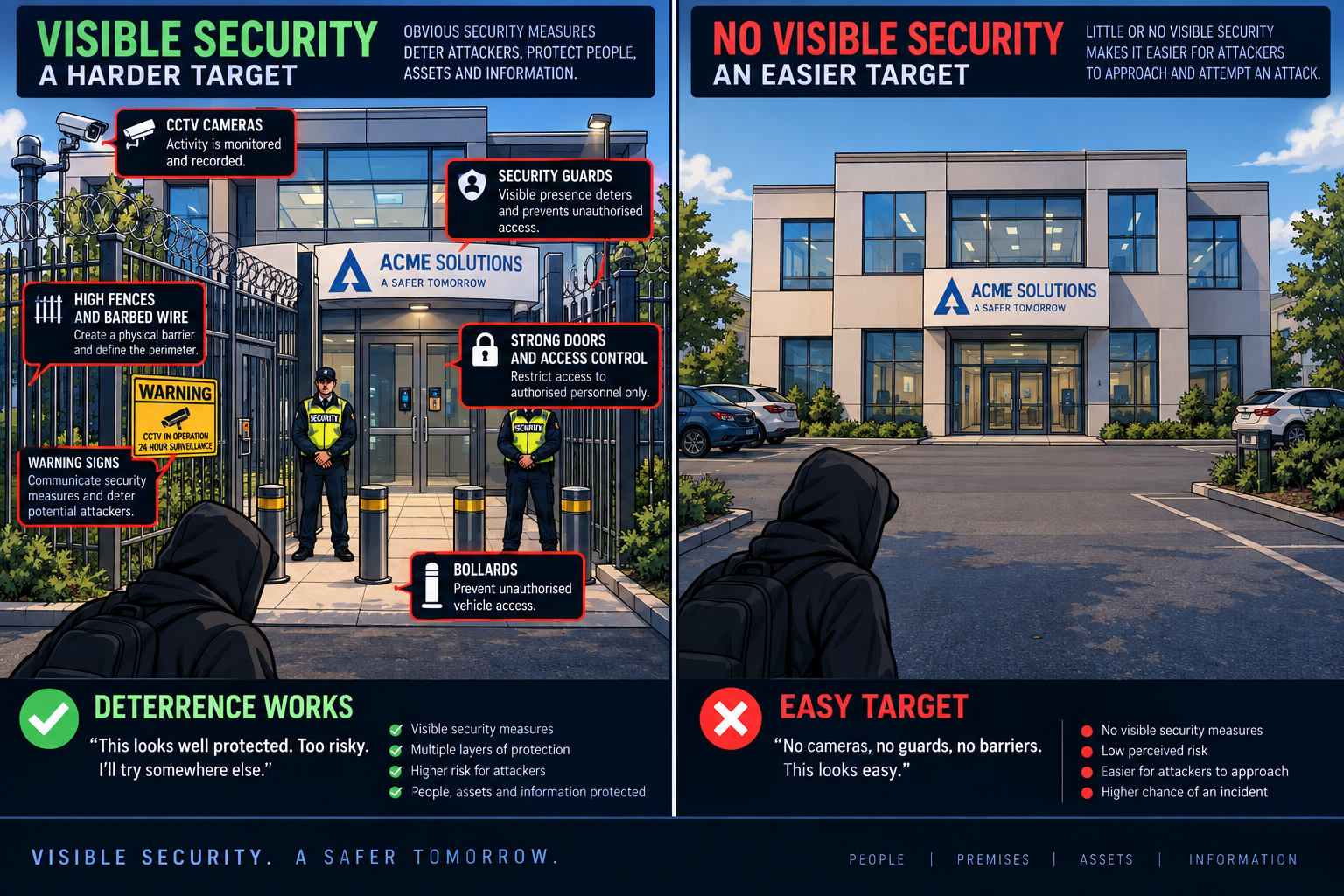 Visible security
Deterrent control
Visible security acts as a deterrent to would be attackers. IT shows that an organisation takes its security seriously. CCTV, guards, warning signs, secure doors and windows tells an attacker – don’t bother – try somewhere else.
-
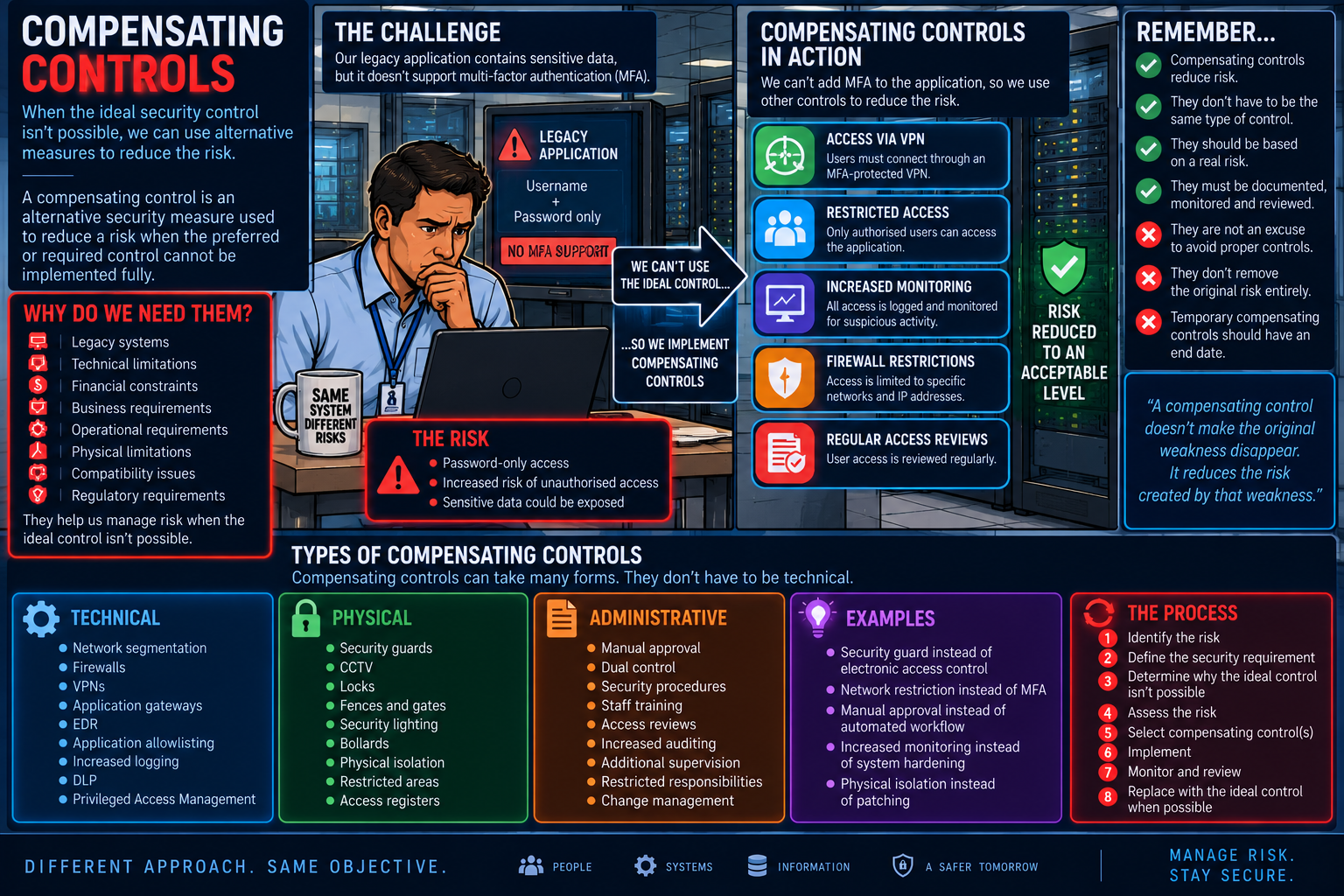 Compensating controls
Compensating control
A compensating control is something put in place when the ideal security control isn’t possible. We cannot ignore risk just because a control isn’t available – something must be put in place to manage the risk.

Cybertrainer.uk
Helping build cyber security awareness
Wednesday, October 21, 2026